Field Tested: Using Starlink During Search & Rescue Training

For years our Search & Rescue team relied on a cellular hotspot to provide internet access during training and field activities. It worked well when cellular coverage was available, but like many volunteer teams, we often train in rural locations where coverage is inconsistent.
Over the past several weeks, we have been evaluating Starlink during our weekly training sessions. While we have not yet deployed it on an actual search mission, we've spent enough time using it in realistic field conditions to share our initial impressions with other emergency response organizations.
This guide reflects our experience during training, not during a live emergency deployment. We will update this guide as we gain operational experience.
Why We Made the Change
Reliable internet has become increasingly important for modern incident management.
Our team uses internet connectivity for:
- Cloud-based incident management
- Online mapping
- Weather information
- Team communications
- Document access
A cellular hotspot worked well until coverage became unreliable in remote areas.
Setup Experience
Signing up with Starlink was straightforward. We're on the Starlink Roam plan — $50 per month for 100 GB of data — which has been more than enough for command-post use during training.
We selected the larger Starlink unit (not the Starlink Mini) because our primary use is supporting a command post rather than backpack portability. It draws more power, but we felt the additional capability was worthwhile.
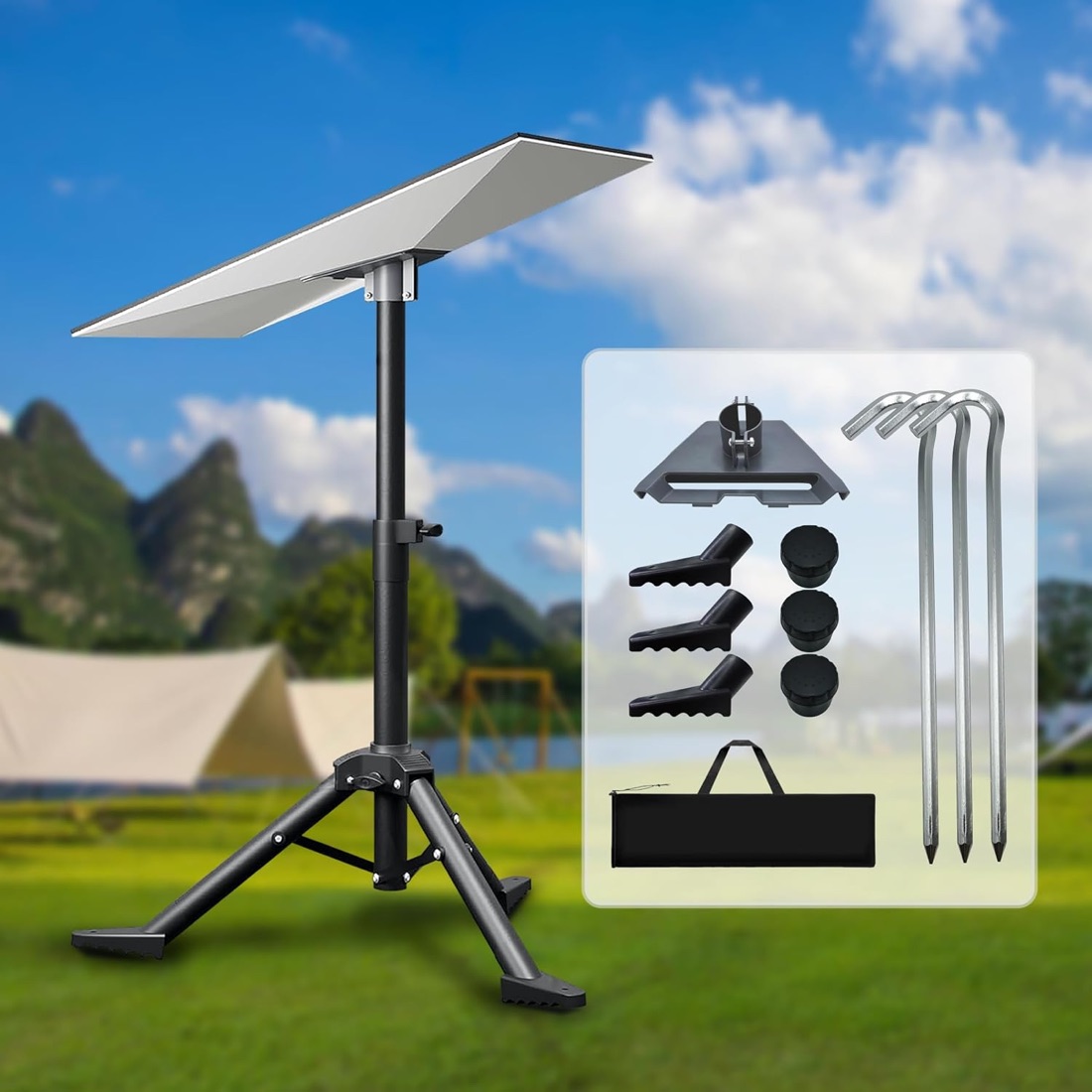
Deployment during training has been quick and uncomplicated using a portable tripod mount. We use a Gen 3 Starlink Tripod Stand with Pipe Adapter — it's height-adjustable, packs into a carry bag, and includes ground stakes for windier sites.
Nonprofit Tip
Our team is a registered 501(c)(3) nonprofit organization.
While Starlink does not currently advertise a dedicated nonprofit plan, we contacted customer support and provided documentation confirming our nonprofit status. After verification, our account was updated so future billing no longer included sales tax.
Policies can change over time, so organizations should contact Starlink directly to verify current requirements.
If your organization is a registered nonprofit, it is worth contacting Starlink customer support to ask about tax treatment in your state.
Power Consumption
One concern before purchasing was power usage.
During an entire day of training we powered:
- Starlink
- Multiple laptops
- More than 15 connected users
Everything was powered from a Jackery portable power station.
At the end of the day, the battery still had approximately 70% remaining, which exceeded our expectations.
Performance
Our experience has been excellent.
We have experienced:
- Fast internet speeds
- Reliable connectivity
- Stable performance with many connected users
- No noticeable slowdowns during training
For our training environment, it has been a significant improvement over relying solely on cellular service.
Cost Comparison
| Item | Cellular Hotspot | Starlink |
|---|---|---|
| Hardware | Varies by carrier | Higher initial investment (dish + tripod stand) |
| Monthly Service | Similar business plans | $50/mo (Roam plan, 100 GB) |
| Remote Coverage | Depends on towers | Satellite-based |
| Multiple Users | Good | Excellent |
| Rural Performance | Variable | Excellent with clear sky view |
Note: Starlink pricing and plans change periodically. Check the official Starlink website for current hardware and service pricing before purchasing.
Benefits for Emergency Responders
We believe Starlink offers several advantages for Search & Rescue and emergency response organizations:
- Reliable internet away from populated areas
- Supports many connected users simultaneously
- Excellent for command post operations
- Works well for cloud-based software
- Simple deployment
- Portable enough for field use
Things to Consider
No technology is perfect.
Consider the following:
- Requires a reasonably clear view of the sky.
- Uses more power than a cellular hotspot.
- Initial hardware cost is higher.
- Satellite internet should complement—not replace—your radio communications.
Final Thoughts
After several weeks of training, Starlink has become an important part of our technology kit.
Although we have not yet relied on it during an actual search mission, our training experience has been overwhelmingly positive. Reliable internet access has improved our ability to access mapping, documentation, weather information, and cloud-based applications during training.
We plan to continue evaluating the system during future operations and will update this guide as we gain additional experience.
References
- Starlink Official Website – starlink.com
- FEMA National Incident Management System (NIMS) – fema.gov/nims
- National Association for Search and Rescue – nasar.org